

Key Takeaways
Our Verdict
Neither channel holds a universal advantage on returns. Online shopping offers convenience and often longer windows, but introduces shipping costs and restocking fee risks. In-store returns are more immediate and tangible, but may be limited by narrow timeframes or strict condition policies. The strongest position for most shoppers is understanding the specific terms before buying-not after.
| Best for | Recommended |
|---|---|
| Shoppers who need certainty about fit, function, or quality before committing | Brick-and-Mortar Stores |
| Those comfortable with packaging items carefully and tracking return shipments | Online Retailers |
| Buyers of high-value electronics or appliances where restocking fees apply | In-Store Purchase with In-Store Return |
| Shoppers who want flexibility without paying return shipping | Buy Online, Return In-Store (BORIS) Programs |
Why Return Policy Terms Deserve Upfront Attention
Most shoppers review return policies only after something goes wrong. By then, the window may have closed, the restocking fee may already apply, or the item may be categorized as non-returnable. Return policies are a contractual term of the sale-and the differences between online and in-store policies are significant enough to influence which channel makes sense for a given purchase.
For a broader look at how these channels compare across price, convenience, and trust, see the real trade-offs between shopping online and in a store. This article focuses specifically on how return mechanics differ and what that means in practice.
| Online Retailers | Brick-and-Mortar Stores | |
|---|---|---|
| Typical Return Window | 30-90 days (varies widely) | 14-30 days (commonly shorter) |
| Return Shipping Cost | Often shopper's responsibility | No shipping cost; return in person |
| Restocking Fees | Common on electronics, 10-25% | Less common; varies by retailer |
| Processing Speed | 3-10 business days after receipt | Immediate refund or exchange |
| Packaging Requirements | Usually requires original packaging | Often more flexible on packaging |
| Receipt/Proof Required | Order confirmation typically sufficient | Receipt or ID often required |
| BORIS Option Available | Depends on retailer | N/A (this is the destination) |
Online Return Policies: Flexibility With Hidden Friction
Online retailers frequently advertise generous return windows-30, 60, or even 90 days-partly to offset the consumer's inability to inspect items before purchase. However, length of window is only one variable. The more consequential details are often buried in the fine print.
Return Shipping Costs
Not all online retailers provide prepaid return labels. When they don't, the cost falls on the shopper. Shipping a medium-sized package back can cost $10-$30 or more depending on carrier and distance. For a $40 purchase, that materially changes the economics of returning an item.
Restocking Fees
Electronics, appliances, and certain specialty goods commonly carry restocking fees when returned online-typically 10-25% of the purchase price. These fees are usually disclosed in policy language but are easy to overlook at checkout. For more on what these terms actually mean in plain language, return policies unwrapped provides a useful reference.
Condition and Packaging Requirements
Many online retailers require items to be returned in original packaging with all accessories included. An opened box, missing cable, or damaged insert can result in a partial refund or outright rejection of the return.
Save Your Packaging Until You Decide
Resist breaking down or discarding boxes until you've tested the item and confirmed it meets your expectations. Many online retailers will reject a return or reduce the refund if the original packaging is damaged or missing. This is especially important for electronics and appliances where restocking fees are most likely to apply.
In-Store Return Policies: Immediacy With Its Own Constraints
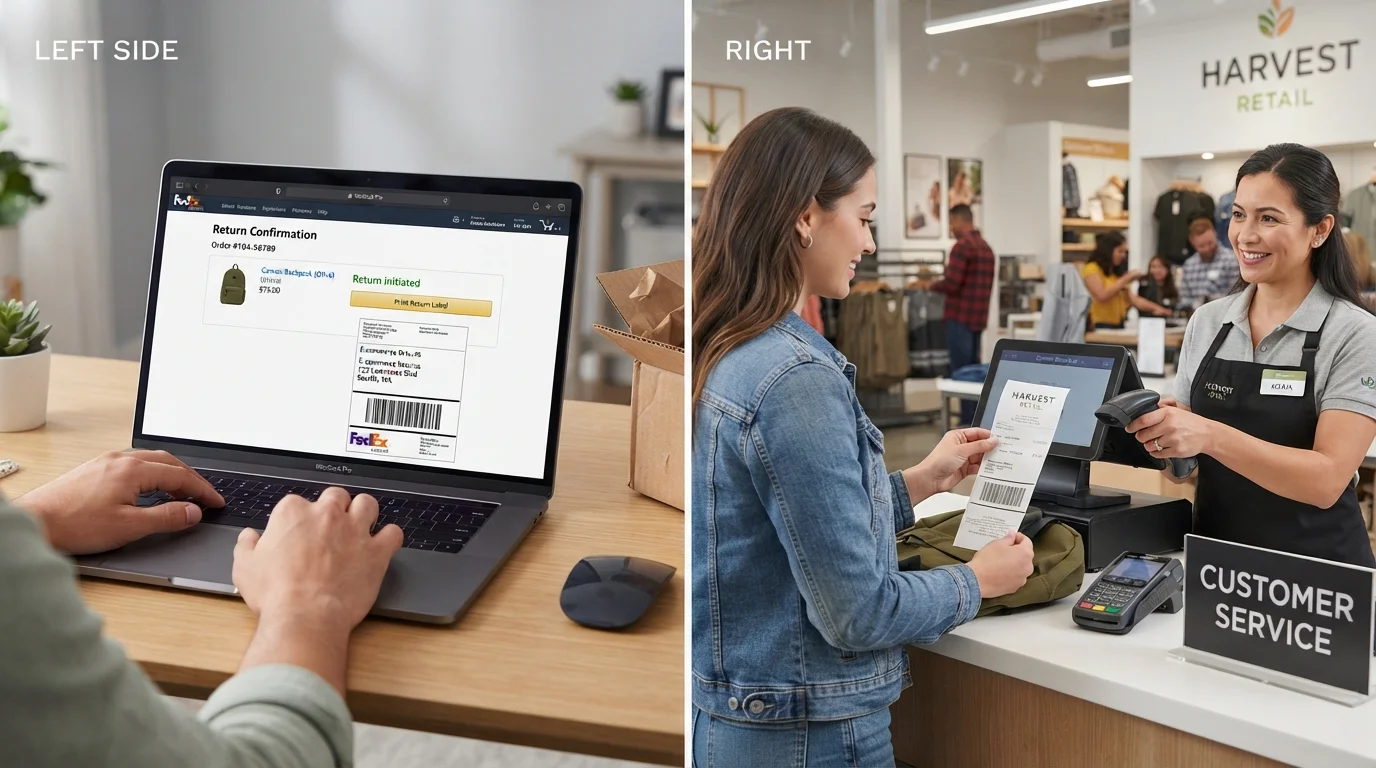
Physical retail returns have the advantage of immediacy-hand over the item, get a refund or exchange on the spot. There's no packing, no label printing, no waiting for a warehouse to process the return. For time-sensitive situations, this matters.
However, in-store policies come with their own friction points. Return windows at physical retailers tend to be shorter on average-commonly 14 to 30 days-and staff discretion around item condition can vary by location. Items without original packaging or receipts may be refused or credited at a lower value.
Receipt and ID Requirements
Many retailers require a valid government-issued ID for returns made without a receipt, and some track return history by ID to flag patterns of abuse. Shoppers who return items frequently without receipts may find their returns restricted over time.
Final Sale and Seasonal Exceptions
Holiday and clearance merchandise is frequently marked as final sale in physical stores, even when the same policy doesn't appear as prominently online. Understanding what clearance and open-box labels actually mean before purchase can prevent confusion at the return desk.
The Hybrid Option: Buy Online, Return In-Store
A growing number of retailers now offer BORIS programs, letting shoppers capture online pricing while retaining the ease of in-store returns. This option eliminates return shipping costs and often bypasses restocking fees that apply specifically to mailed returns.
BORIS programs are not universal-availability depends on whether the retailer operates physical locations and whether online and in-store inventory systems are integrated. Shoppers using this approach should confirm the option exists before purchasing and note whether the in-store return policy mirrors or differs from the online one.
For readers who regularly move between channels to optimize purchases, channel switching strategies explores how to coordinate these approaches more systematically.
Practical Steps Before You Buy
A few minutes of policy review before completing a purchase can prevent significant frustration. Specifically:
- Locate the return policy page before checkout-not after. Look for the return window, restocking fee language, and who pays return shipping.
- Note condition requirements. If a policy requires original packaging, keep it until you're certain you're keeping the item.
- Check for category-specific exceptions. Electronics, intimates, perishables, and digital downloads are frequently excluded from standard return terms.
- Verify BORIS availability if you're buying online but want the option to return locally.
- Screenshot or save the policy. Return policies can change, and having a dated copy of what was in effect at purchase can support a dispute if needed.
Return policies are one piece of the broader picture covered in online vs. in-store shopping across every major category-where channel advantages shift depending on what you're buying.