

Key Takeaways
Defensive Driving
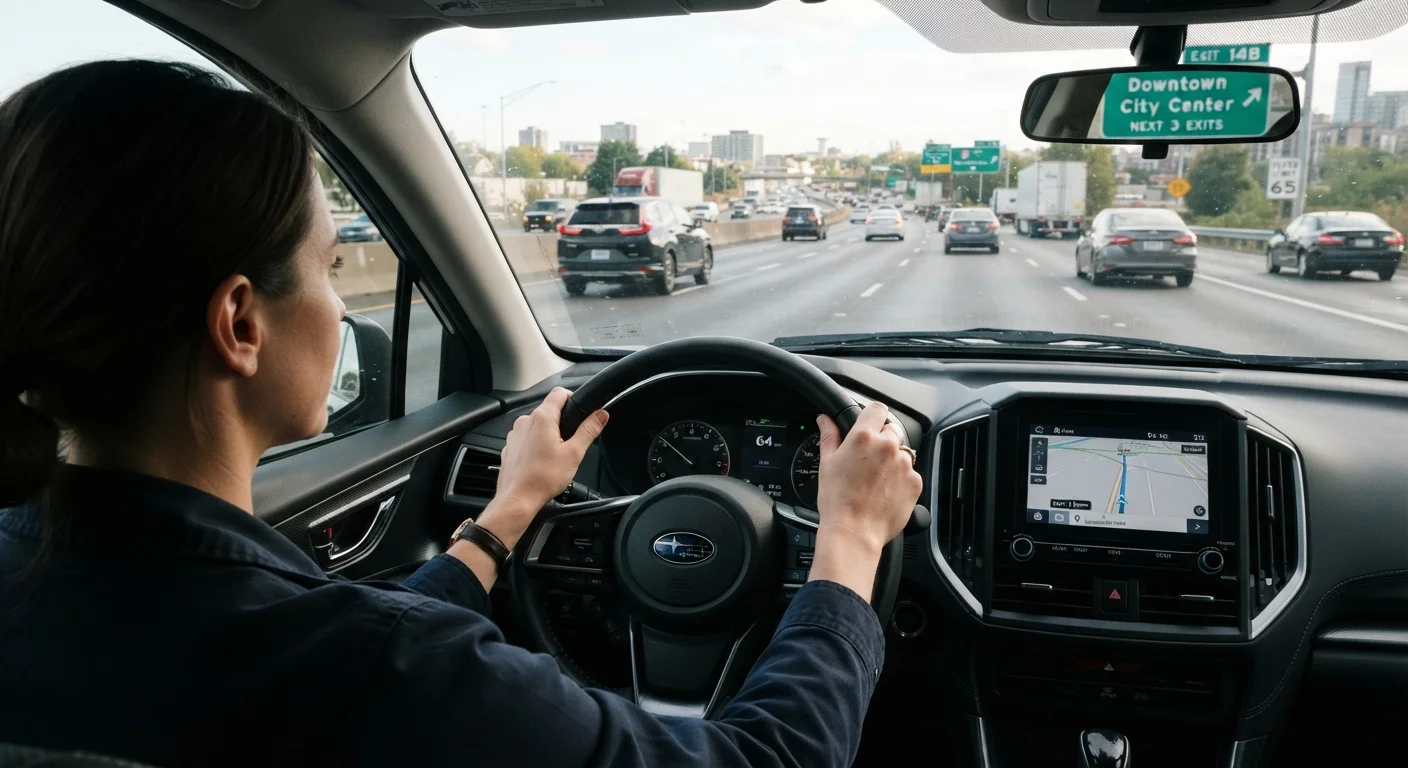
Defensive driving is an approach to operating a vehicle that prioritizes anticipating hazards before they become emergencies. Rather than simply reacting to what happens on the road, a defensive driver actively scans the environment, maintains safe distances, and adjusts behavior to account for the actions of other drivers, pedestrians, and road conditions. The goal is to reduce collision risk even when others around you make mistakes.
Defensive driving is formally taught in NHTSA-recognized courses and is often distinguished from basic traffic law compliance by its emphasis on proactive hazard recognition rather than reactive compliance alone.
More Than Staying Alert
Most drivers think of defensive driving as simply paying attention - keeping your eyes on the road and not using your phone. That's part of it, but defensive driving is a broader discipline. It's a mindset that treats every trip as an environment with variables you don't fully control.
At its core, defensive driving rests on one operating assumption: other road users may behave unpredictably, and your job is to be prepared for that before it happens. A pedestrian may step off the curb. A driver ahead may brake suddenly. Gravel may appear around a curve. Defensive technique is about building enough time and space that none of those situations become an unavoidable crash.
This is meaningfully different from simply following traffic laws. You can obey every rule and still be caught off-guard if you're not actively reading the road ahead. Defensive driving closes that gap.
“The goal of defensive driving is not to make you a timid driver. It's to make you a driver who is always in a position to respond - who hasn't driven themselves into a corner where a crash is inevitable.”
— National Safety Council, U.S. nonprofit organization focused on eliminating preventable deaths
The Core Principles in Plain Terms
While defensive driving courses cover many specifics, a handful of principles underpin virtually all of it:
- Maintain a safe following distance. The widely-cited three-second rule - ensuring at least three seconds of space between your vehicle and the one ahead - gives you time to react if traffic stops suddenly. Increase that buffer in rain, fog, or heavy traffic.
- Scan ahead, not just immediately in front. Experienced defensive drivers look 10-15 seconds ahead on the road, which at highway speeds covers a meaningful distance. This gives you earlier warning of slowing traffic, merging vehicles, or road hazards.
- Manage your blind spots actively. Mirrors don't eliminate blind spots - they reduce them. A quick head check before lane changes is a habit that prevents a significant share of side-swipe incidents.
- Control your speed for conditions, not just the speed limit. The posted limit reflects normal conditions. Rain, ice, construction zones, and heavy pedestrian areas all call for reduced speed independent of what's posted.
- Avoid emotional driving. Road frustration can push drivers toward tailgating, aggressive lane changes, or retaliating against perceived slights. These behaviors dramatically increase risk. Defensive driving includes emotional discipline behind the wheel.
For a deeper look at how distraction undermines these habits, see our distracted driving myths article - the research may surprise you.
Practice the Three-Second Rule Daily
Pick a fixed landmark - a sign, an overpass, a road marking - and count how long after the car ahead passes it before your car reaches the same point. If it's less than three seconds, ease back. Making this a conscious check on every drive helps calibrate the habit until it becomes automatic.
Why It's Practical, Not Just Cautious
Defensive driving sometimes gets framed as overly cautious behavior - the kind of thing only nervous or new drivers do. In reality, it's the approach that experienced, low-incident drivers tend to use consistently. The difference between a driver who's gone ten years without a collision and one who hasn't often comes down to these habits applied quietly every trip.
~94%
Crashes attributable to human behavior
The National Highway Traffic Safety Administration (NHTSA) has estimated that human choice or error is a critical reason in the vast majority of motor vehicle crashes.
3 sec
Minimum recommended following distance
Traffic safety educators broadly recommend the three-second rule as a practical baseline for maintaining safe following distance at highway speeds.
10-15 sec
Recommended visual scanning distance ahead
Defensive driving programs typically advise drivers to look this far ahead on the road to identify hazards with enough lead time to respond without emergency braking.
It's also worth understanding what defensive driving is not. It doesn't mean driving slowly at all times, refusing to merge, or being hesitant in a way that creates its own hazards. Defensive driving prioritizes predictability and clear communication - using signals properly, making smooth lane transitions, and matching the flow of traffic sensibly. Compare this with the opposite approach in our aggressive driving patterns article, which outlines how high-risk behaviors translate directly into crash statistics.
If you're helping a new driver build their foundation, teaching a teen to drive offers practical guidance on introducing these principles early - when habits are easiest to form and hardest to break.