

Key Takeaways
The Spending Traps Hidden in Plain Sight
A carefully constructed travel budget can unravel faster than expected - not because of a single big splurge, but because of a dozen small decisions that each seem reasonable in the moment. The culprits are predictable, and recognizing them before you board is the most reliable way to stop them from adding up.
This isn't about cutting joy out of travel. It's about making deliberate choices rather than defaulting to whatever's most convenient when you're tired, hungry, or disoriented. For a deeper foundation, understanding the core components of a budget travel plan helps frame where these leaks tend to appear.
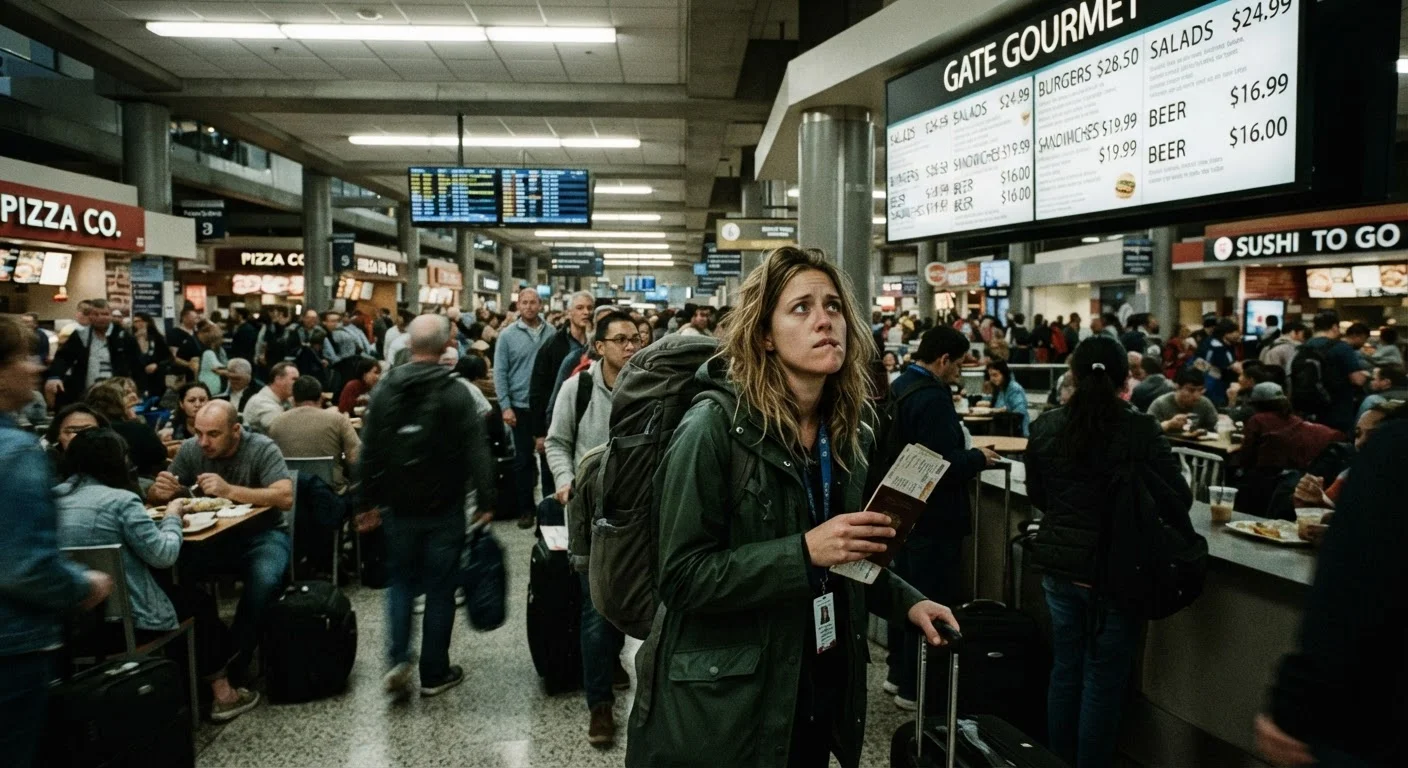
Eating and buying drinks inside the airport security zone without a plan.
Why it happens: Hunger and the captive-market environment of a terminal make a $18 sandwich feel like a necessary purchase rather than a discretionary one.
Accepting dynamic currency conversion (DCC) at point-of-sale terminals abroad.
Why it happens: The terminal frames paying in your home currency as a convenience, and travelers often assume it produces a better or clearer rate. In practice, DCC markups commonly run 3-7% above the interbank rate.
Booking tours and activities through hotel front desks or airport kiosks at full rack rates.
Why it happens: Convenience and the illusion of vetting - the hotel recommended it, so it must be reliable - leads travelers to pay commissions baked into the price.
Ignoring airline ancillary fees when booking what looks like a low base fare.
Why it happens: Budget carriers display the seat-only price prominently, and the add-on fee structure for bags, seat selection, and printing isn't always visible until checkout - or worse, at the gate.
Using airport currency exchange kiosks or hotel front desks for cash conversion.
Why it happens: Travelers assume they need local cash immediately and that the airport is a reliable, if slightly pricey, option. Kiosk spreads and commission fees frequently make them among the most expensive conversion methods available.
Relying on taxis or ride-shares from tourist-heavy pickup points without knowing local pricing norms.
Why it happens: Unfamiliarity with a destination and time pressure after a long flight make the first available transport option feel like the only option.
How to Build Guardrails Before You Leave Home
Most of these traps are far easier to neutralize before your trip than in the middle of one. A card with no foreign transaction fees eliminates one category of loss entirely. Downloading offline maps and a translation app removes the pressure that pushes people toward overpriced tour desks. Packing snacks and a refillable water bottle kills a surprising share of airport and transit food spending.
Convenience Costs More Than You Think
Every time travel puts you in an unfamiliar, time-pressured, or hungry state - which is often - the path of least resistance is also the most expensive one. Airport shops, hotel tour desks, and currency kiosks exist precisely because they capture spending from travelers who haven't planned an alternative. Recognizing this dynamic in advance is the first step to routing around it.
Before departure, spend 20 minutes researching what your destination's local transport actually costs - taxi apps, metro fares, shared shuttle rates. Cross-reference tour prices between hotel concierge quotes and what local operators post publicly online; the gap is often significant. The pre-trip planning checklist for travelers watching every dollar covers this ground systematically, so nothing budget-breaking slips past you.
On the currency side, always choose to pay in the local currency when a card terminal offers you a choice. The "pay in dollars" option - dynamic currency conversion - routes the exchange through the merchant's processor at a marked-up rate, not your bank's rate. It sounds helpful; it costs real money. For a fuller breakdown of how exchange mechanics actually work, currency exchange myths examined against fact is worth reviewing before you go.
Finally, pair these habits with a realistic daily budget that accounts for the unexpected. Building a day-by-day travel budget that holds up in real life explains how to build in buffer room so that one bad day doesn't wreck the whole trip's math.