

Key Takeaways
Why the Off-Season Math Works in Your Favor
Summer is when most Americans head to national parks - and the numbers show it. Yellowstone, Zion, and the Great Smoky Mountains each draw millions of visitors between June and August, straining parking, trails, and reservations. But the entrance fee is the same in January as it is in July. The savings come from everything surrounding the park gate: hotels, campgrounds, guided tours, and gas station prices in gateway towns all tend to fall once school resumes.
The trade-off is real. Some roads close. Visitor centers run reduced hours. Certain trails become hazardous without proper gear. But for travelers willing to do a little research and pack accordingly, the off-season can deliver experiences that summer crowds make nearly impossible - a quiet morning at the rim of the Grand Canyon, a Yellowstone geyser with no one else in the frame, or fall foliage in the Smokies without a traffic backup on the main parkway.
Understanding the difference between shoulder and true off-season matters here - October at Acadia is a very different proposition than February. The parks below each reward a specific off-peak window, and knowing which one to target is half the planning work.
America the Beautiful Pass: Year-Round Value
The America the Beautiful Interagency Annual Pass covers entrance fees at most federal parks and recreation areas for 12 months from purchase. At a fixed annual cost, it pays for itself quickly if you visit two or more fee-charging parks in a year. It's available at park entrances and through the USGS store online. Verify current pricing and eligibility at usgs.gov before purchasing.
Parks Worth Timing Around the Crowds
Grand Canyon National Park - Winter Solitude on the South Rim
The South Rim stays open year-round, and December through February brings a dramatic shift in atmosphere. Visitor counts drop sharply - the park reported roughly 400,000 visitors in January compared to over 700,000 in June historically. Snow occasionally dusts the rim, creating striking contrast against the red canyon walls that summer visitors simply never see.
Most South Rim services remain operational in winter, including shuttle buses and several lodges. The North Rim closes to vehicles from mid-October through mid-May, so plan accordingly. Layers and waterproof footwear are essential; ice can form on popular viewpoint paths. Gateway towns like Williams, Arizona typically see hotel rates fall considerably from their summer peaks.
Snow on the South Rim creates canyon views that summer visitors simply never see.
Great Smoky Mountains National Park - Fall Color Without the Gridlock
The Smokies are the most visited national park in the country - consistently drawing over 12 million visitors annually - and October is still busy. But early November, after peak foliage passes, sees crowds thin noticeably while the park remains beautiful and fully accessible. Bare trees open up long-distance ridge views that leaf cover obscures in summer.
The park has no entrance fee regardless of season, which is unusual among major parks. Campground availability improves significantly after the third week of October. Wildlife activity increases in fall as animals move into lower elevations, and the chance of spotting black bear or elk on Cataloochee Road is generally higher in the cooler months when visitor pressure eases.
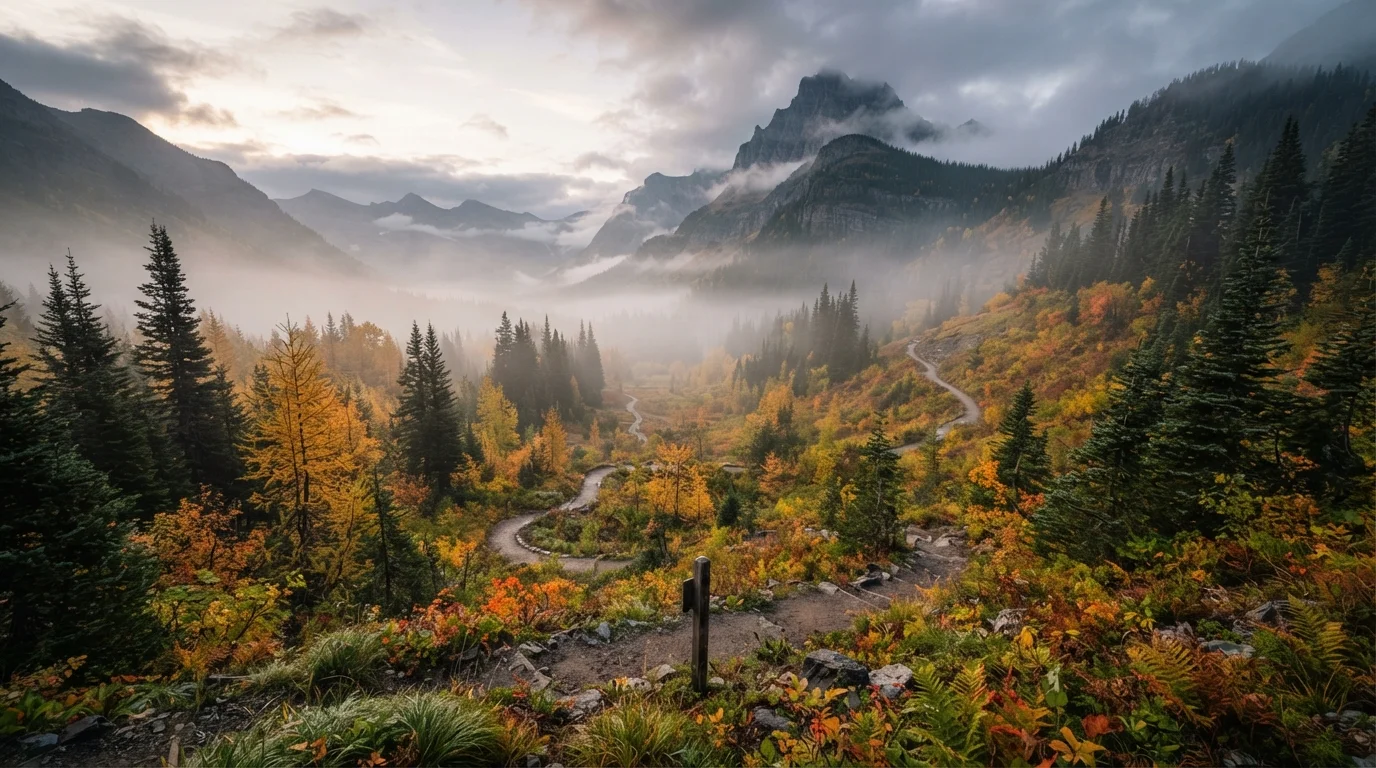
After peak foliage passes, crowds thin while the park remains fully accessible and beautiful.
Zion National Park - Spring and Late Fall for Canyon Light
Zion introduced a mandatory shuttle system for the main canyon corridor because summer crowds became unmanageable. In late fall and early spring, that shuttle runs less frequently - but it's also far less necessary. Visitors can drive the scenic road directly in winter when the main canyon is not under shuttle-only restrictions, which changes the experience considerably.
The Narrows hike - a slot canyon walk through the Virgin River - is actually recommended by experienced visitors in late spring when water levels stabilize, rather than the height of summer when flash flood risk increases and crowds peak. Water temperature will be cold; dry suits or wetsuits are worth renting from outfitters in Springdale. Check NPS conditions reports before any water-based hike, as river levels fluctuate rapidly.
Winter visitors can drive Zion's scenic road directly - a freedom summer crowds make impossible.
Yellowstone National Park - Winter Wildlife Watching by Snowcoach
Yellowstone in winter is a genuinely different park. Most roads close to private vehicles, but the park operates snowcoach and snowmobile access to key areas including Old Faithful and the Lamar Valley. Bison stand silhouetted against steam from thermal features. Wolf pack activity is easier to observe against a white landscape. The experience is quieter and more wildlife-focused than any summer visit can offer.
Winter access requires planning around the permitted entry windows and operator schedules - check the NPS site well in advance. Temperatures regularly drop below 0°F, so layering is non-negotiable. For those not ready for full winter conditions, shoulder season in May or September offers a middle ground with more open roads and moderate weather.
Wolf activity is easier to observe in Yellowstone's winter landscape than at any point in summer.
Acadia National Park - October for Foliage and Fewer Ferries
Acadia draws significant crowds through September on Maine's Mount Desert Island. By mid-October, leaf color peaks and the pace slows. The Park Loop Road remains open, Cadillac Mountain summit is accessible, and the carriage roads - 45 miles of broken-stone paths closed to motor vehicles - are ideal for cycling or walking in cool, clear air.
Bar Harbor, the main gateway town, begins closing restaurants and shops for the season in late October, so arrive in the first two weeks of October for the best combination of open amenities and reduced crowds. The park's entrance fee applies through the end of November. If you're planning a broader New England trip, pairing Acadia with value-focused urban stops in Portland or Burlington can make the overall trip more cost-efficient.
Mid-October delivers Acadia's peak foliage alongside noticeably lower visitor pressure than September.
Joshua Tree National Park - Winter as the Ideal Season
Unlike many parks, Joshua Tree in Southern California is genuinely more pleasant in winter than summer - midday temperatures in July can exceed 100°F, making hiking dangerous for most visitors. From November through March, daytime temperatures regularly sit in the 50s and 60s°F, wildflower blooms can appear in late February, and the desert clarity on cool mornings is exceptional for photography.
The park sees its lowest attendance in January and February. Camping is first-come, first-served at most campgrounds (reservations apply to some sites - verify current policy on the NPS site), and weeknight availability is generally good outside holiday weekends. Dark skies make Joshua Tree one of the more accessible stargazing destinations in California, and winter's longer nights extend that window considerably.
Joshua Tree's ideal hiking season is winter - summer heat makes midday outdoor activity genuinely hazardous.
Check Road and Facility Status Before You Go
Off-season access varies significantly by park and by year. The National Park Service maintains real-time alerts for road closures, facility hours, and reservation requirements at nps.gov. Always verify conditions within a week of your planned visit - and have a backup plan if weather changes your options at the last minute.
Planning Your Visit the Smart Way
Before you book, check the National Park Service website for each park's seasonal road and facility status - this is the authoritative source and is updated regularly. Gateway town accommodation pricing varies widely, so comparing a few dates within your target window is worth the extra few minutes. If you're combining multiple parks in one trip, a well-planned road trip route can help you sequence parks efficiently and reduce backtracking costs.
Off-season doesn't mean sacrifice - for the right traveler, it means a fundamentally different and often more rewarding experience. Verify entry requirements, pack for variable conditions, and always have a backup plan if weather or closures force a change of route.