

Key Takeaways
Option A
Shoulder Season
The sweet-spot window between peak crowds and full off-season closures.
Best for: Travelers who want meaningful savings without sacrificing weather, open attractions, or reliable services.
Option B
Off-Season
The lowest-price window, with the most trade-offs attached.
Best for: Budget-first travelers who are flexible on weather and comfortable with reduced hours, closures, and limited options.
If you want the best balance of price, weather, and open services
Shoulder Season
Shoulder season consistently delivers meaningful savings without the operational shutdowns or weather gambles that characterize true off-season travel.
If your absolute priority is the lowest possible accommodation cost
Off-Season
Off-season hotel and rental rates are the steepest available, which can offset weather inconveniences if your itinerary is flexible and indoor-focused.
If you're visiting a major city with year-round infrastructure
Off-Season
Cities like New York, Chicago, or London don't shut down in winter-museums, restaurants, and transit remain fully operational, so the off-season penalty is minimal.
If you're planning a beach or resort destination trip
Shoulder Season
Many beach destinations partially or fully close off-season; shoulder season keeps the beach accessible, the restaurants open, and the prices well below summer highs.
If you're traveling with a group sharing accommodation costs
Shoulder Season
Shoulder season vacation rental pricing offers strong value at group scale, without the risk of finding key attractions or restaurants closed. See how shared costs change the budget math for more.
Defining the Terms: Where One Season Ends and the Other Begins
The line between shoulder season and off-season is blurry by design-it shifts by destination, traveler type, and even by airline route. That ambiguity costs travelers real money when they assume they're booking one and actually get the other.
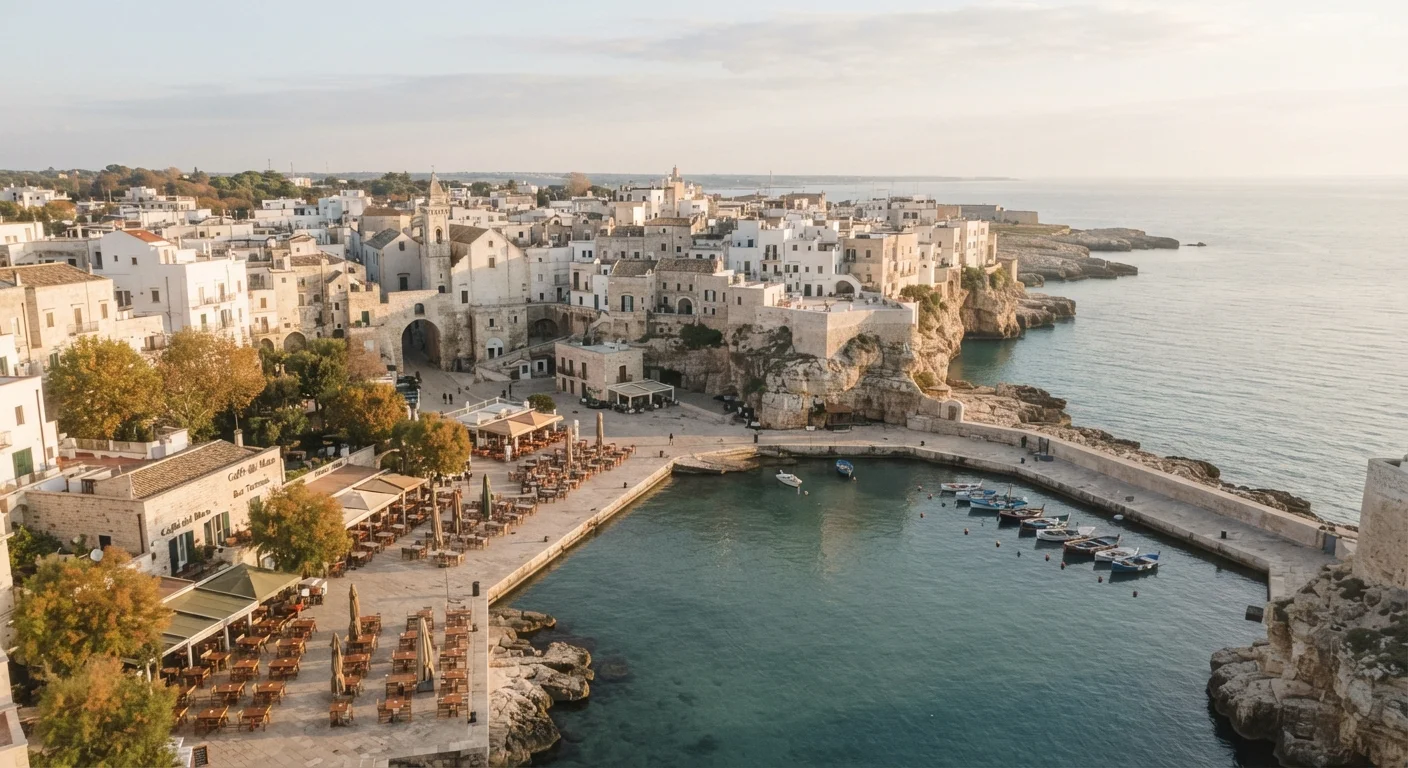
Shoulder season refers to the period immediately before or after a destination's peak travel window. Think September in coastal Italy, late April in Paris, or early November in the Florida Keys. Demand has dropped enough to push prices down meaningfully, but core services-hotels, restaurants, main attractions-remain open and functional. Weather is often still reasonable, just not at its statistical best.
Off-season (sometimes called low season) is the trough: the months when a destination sees its lowest visitor numbers. This is January in the Outer Banks, August in Phoenix, or February in most Caribbean island resorts. Prices hit their floor, but so does availability. Resorts shutter, tour operators cut schedules, and weather risk rises considerably.
For a deeper look at how shoulder season works across specific popular destinations, the shoulder season traveler's guide covers timing by region in detail.
| Criterion | Shoulder Season | Off-Season |
|---|---|---|
| Typical hotel savings vs. peak | 15-30% below peak | 30-50% below peak |
| Flight pricing | Moderate savings, route-dependent | Often lowest, but varies by route |
| Attraction availability | Nearly all open | Partial closures common |
| Weather reliability | Generally reasonable | Higher variance and risk |
| Crowd levels | Noticeably reduced | Minimal crowds |
| Restaurant and tour availability | Most options open | Reduced hours or closures |
| Best destination type | Beach, resort, and city | Cities with year-round economy |
The Real Price Gap: Flights, Hotels, and What the Data Suggests
The pricing difference between shoulder and off-season is real-but narrower than many travelers expect, especially once hidden costs are added back.
Hotels and rentals show the clearest gap. Off-season rates at resort-heavy destinations can run 30-50% below peak pricing, compared to 15-30% savings during shoulder season. However, that off-season discount often comes with minimum-stay waivers flipped back on, fewer room-type options, and limited in-house services like restaurants or pools.
Flights tell a different story. Airfare pricing is driven by demand on specific routes, not just calendar season. A shoulder-season flight to a destination with a major convention or festival can cost more than an off-season flight to the same city. Always price flights independently of accommodation rather than assuming they'll mirror the hotel discount pattern.
~20%
Average shoulder season hotel discount vs. peak
Industry analyses of hotel rate trends consistently place shoulder season savings in the 15-25% range compared to high-season pricing at the same properties.
Up to 50%
Off-season hotel rate reduction at resort destinations
Resort-heavy Caribbean and Mediterranean properties commonly list off-season rates at half or less of their summer peak pricing, according to hospitality pricing data.
~10-15%
Typical off-season airfare reduction
Airfare savings in low season tend to be more modest than hotel savings-often in the 10-15% range-as airline pricing responds to route-specific demand, not just calendar season.
On-the-ground costs-meals, activities, tours-often change less than expected off-season. The budget restaurant stays roughly the same price year-round; the tour operator that's still running may have actually raised per-person rates to cover fixed costs across fewer customers.
Pairing timing strategy with smart accommodation trade-offs amplifies savings in either season.
Weather and Experience Trade-Offs: What You're Actually Giving Up
Price is only half the equation. The experience gap between shoulder and off-season is where many travelers underestimate the real cost.
During shoulder season, weather is usually manageable if not ideal. An early-October trip to the Greek islands means fewer crowds, lower prices, and sea temperatures still warm enough to swim-but you'll encounter shorter daylight hours and a higher chance of rain than in July. That's a reasonable trade-off for most travelers.
Off-season weather carries more variance and more downside. A January trip to a Caribbean island during hurricane off-season is statistically fine-but if a tropical system develops, rebooking costs can erase any savings. Similarly, European mountain towns in deep winter may offer rock-bottom prices on lodging and near-zero crowds, but if the specific draw is hiking or scenery, limited daylight and snow-closed trails remove the core reason for going.
The experience trade-off also applies to pacing. Slow, immersive trips tend to absorb off-season closures better than tight itineraries. For a useful framework on how pace affects overall trip cost, see slow travel vs. fast itineraries.
Verify Seasonal Closures Before You Book
Off-season and even late shoulder-season closures at specific sites, ferry routes, or accommodations are rarely advertised prominently. Before committing to dates, check official destination tourism websites or contact accommodations directly to confirm operational schedules. Flexible cancellation policies become especially important when booking outside peak windows.
Destination Type Changes Everything
The shoulder vs. off-season calculus isn't universal-destination type determines how much each timing window actually matters.
Beach and resort destinations have the most dramatic off-season penalties. Infrastructure follows demand: restaurants reduce hours, water taxi services cut routes, and some properties close entirely. For these destinations, shoulder season almost always delivers better overall value than off-season, even if the headline hotel rate looks attractive.
Major cities are the exception. Urban destinations with year-round economies-New York, Chicago, London, Tokyo-don't close down. Museums stay open, public transit runs on full schedules, and the restaurant scene remains intact. Here, off-season travel can be genuinely excellent value with minimal trade-offs, aside from cold weather in northern cities.
Warm-weather budget destinations like Mexico and parts of the Caribbean sit in between. The Mexico vs. the Caribbean cost comparison covers how seasonal timing affects each differently. For some Mexican cities, the rainy season brings lower prices but remains perfectly functional for travel; for certain Caribbean islands, it's a meaningful risk.
The bottom line: shoulder season is the more consistently reliable choice across destination types, while off-season rewards travelers who research the specific destination's operational calendar before booking-not just its weather data.