

Key Takeaways
Why Small Pets Stress Easily - and Why It Matters
Small animals such as guinea pigs, rabbits, hamsters, gerbils, and rats are prey species. Their nervous systems are wired for rapid threat detection, which means they can shift from calm to highly stressed in seconds. Unlike dogs, they rarely signal distress loudly or dramatically. Instead, they freeze, flatten their bodies, thump a hind leg, or simply go still - cues that many owners misread as contentment.
Chronic stress in small pets is not trivial. It can suppress immune function, disrupt eating and sleeping patterns, and lead to behaviors like barbering (fur chewing), aggression, or persistent hiding. Understanding this physiological reality is the starting point for any meaningful socialization effort. For more context on how misconceptions can affect care, see common small pet myths that owners often carry into these relationships.
Not All Small Pets Have the Same Socialization Needs
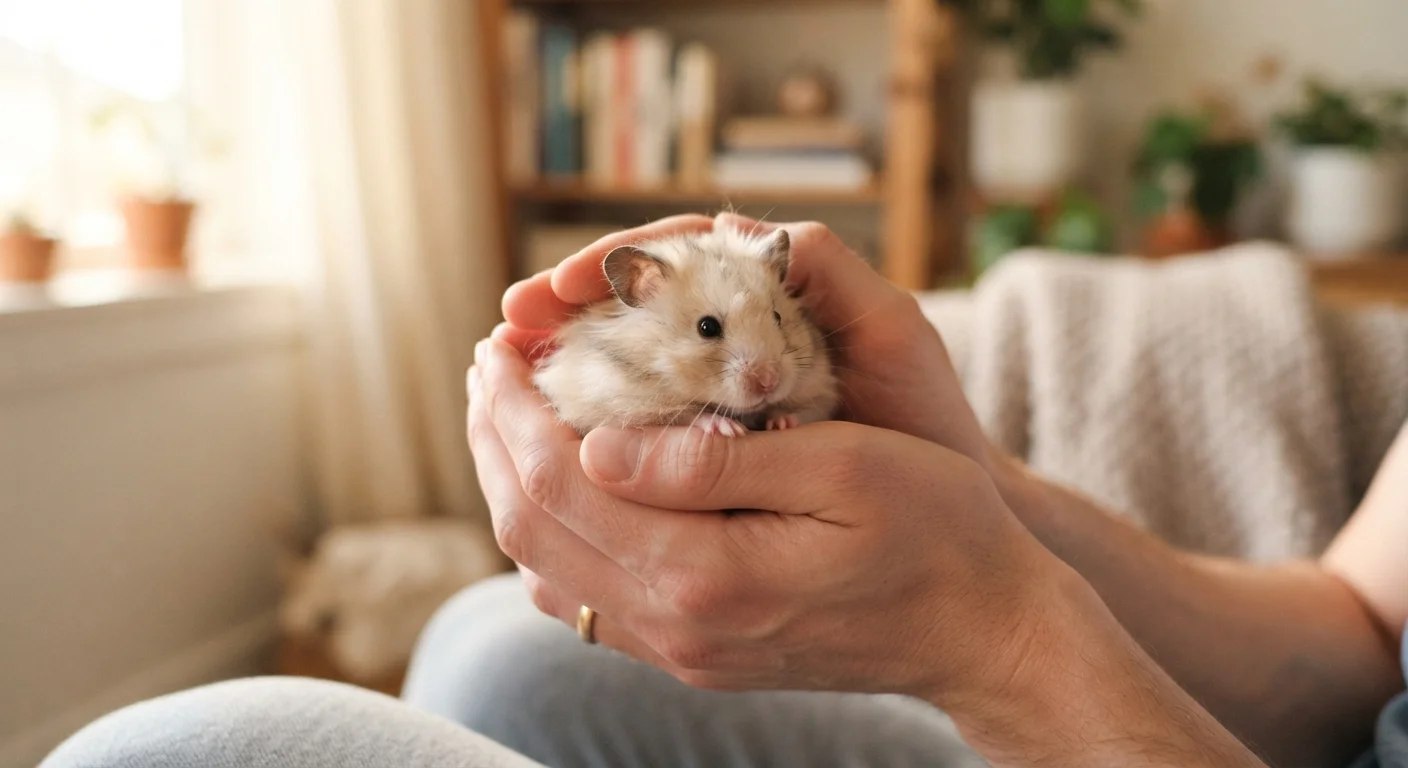
Rats and guinea pigs are generally considered among the most social small mammals and often benefit from - and actively seek - regular human interaction. Hamsters, by contrast, are largely solitary and can become overwhelmed by handling that would be perfectly comfortable for a guinea pig. Research your specific species' social profile before designing a handling routine, and consult an exotic-animal veterinarian if you're unsure what's appropriate.
Core Practices for Stress-Free Handling
The following practices are grounded in what animal behaviorists and exotic-pet veterinarians generally recommend for building trust with prey-species animals. Apply them consistently rather than occasionally - regularity matters as much as technique.
Start with scent introduction before any physical contact
Small animals rely heavily on smell to assess safety. Allowing the animal to sniff your hand from inside or just at the edge of its enclosure before you attempt to pick it up gives it agency and begins associating your scent with non-threatening situations. Skipping this step is one of the most common reasons early handling attempts fail.
Keep early handling sessions short - under five minutes
Extended handling before trust is established overwhelms a small animal's stress threshold, making it harder, not easier, to socialize over time. Brief positive sessions build a track record of safe interactions. Duration can gradually increase as the animal demonstrates relaxed body language during contact.
Always support the animal's full body during lifting
Dangling legs or an unsupported hindquarters triggers a panic response in most small animals, particularly rabbits, whose powerful back legs can cause spinal injuries when they kick out in fear. Full-body support communicates physical security and reduces the startle reflex.
Let the animal choose to come to you when possible
Voluntary approach is a strong indicator of genuine trust rather than learned helplessness. Animals that are repeatedly grabbed before they are ready may become still during handling simply because they've given up resisting - not because they're comfortable. Creating conditions for voluntary contact produces more durable bonds.
Handle in a quiet, low-distraction environment
Loud sounds, sudden movements, or the presence of other pets dramatically increase ambient stress during handling and make it harder for a small animal to settle. A calm environment allows the animal to focus on you rather than scan for threats.
Reading Stress Signals Before They Escalate
One of the most useful skills you can develop is recognizing when to stop an interaction. Small animals communicate discomfort through posture and movement long before they bite or run. Freezing in place, rapid shallow breathing, wide eyes with visible whites, flattened ears, teeth chattering, or attempts to back away are all signs that your pet has reached its limit for the session.
When you see these signs, gently return the animal to its enclosure without rushing. Ending on a neutral note - rather than forcing the interaction to continue - preserves whatever trust you've built. This principle applies across species: the body language of a stressed rabbit differs from that of a stressed rat, but both are communicating clearly if you know what to look for. Owners interested in a parallel skill set for dogs will find reading canine stress signals a useful companion resource.
Building a Routine That Supports Socialization
Consistency is one of the most undervalued tools in small-pet handling. Animals that are picked up only occasionally - or at unpredictable times - never fully habituate because each interaction feels novel and potentially threatening. Short, daily sessions at similar times of day help your pet build a mental map of what to expect.
Factor in your pet's natural activity cycle. Many hamsters are crepuscular (most active at dawn and dusk), while guinea pigs and rabbits are often more approachable during mid-morning calm periods. Attempting to handle a sleeping hamster mid-afternoon is an avoidable stress trigger. Pair handling time with positive reinforcement - a small piece of appropriate food offered by hand before and after contact - to begin associating your presence with something rewarding.
If your household includes children, supervised, seated floor-level interactions tend to be safer and less frightening for the animal than being held at height. The space and budget considerations that come with small pet ownership are covered thoroughly in our look at the hidden costs of small pet ownership, which can help you plan enrichment and socialization into your overall care budget.
~65%
Small pet owners who underestimate prey-species stress responses
Survey data from exotic-pet veterinary practices consistently suggests that a majority of small animal owners do not recognize common stress behaviors in their animals until behavioral problems emerge.
2-3 min
Recommended starting duration for early handling sessions
Exotic animal behaviorists and small mammal veterinarians commonly recommend keeping initial socialization sessions very brief to avoid overwhelming prey-species animals before trust is established.