

Pets & Animals

Before You Bring Home a Small Pet: A Preparation Checklist

Share
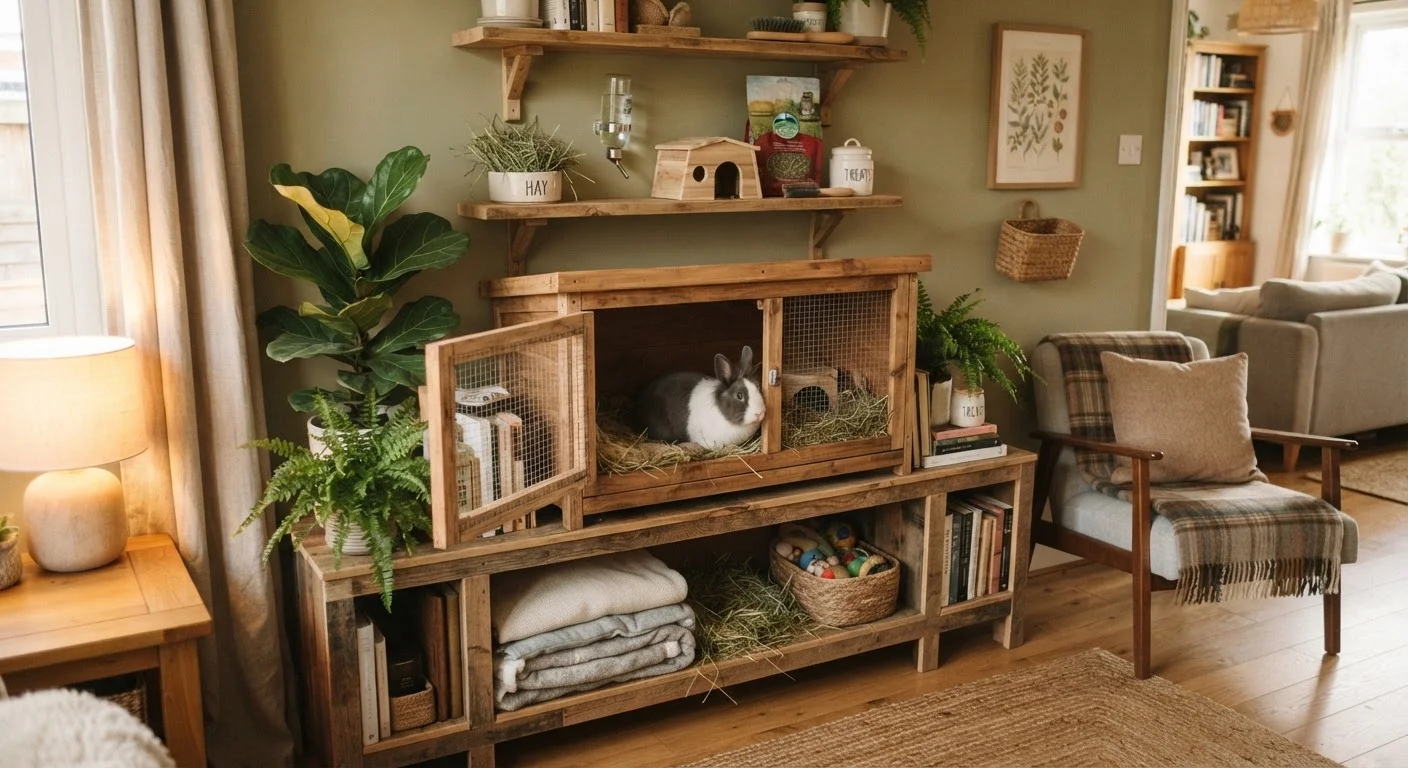
Neatly arranged small pet habitat with hutch, hay, and supplies in a home setting

Key Takeaways

Small pets have species-specific needs — research your animal before buying any supplies.
Finding an exotic-animal or small-pet veterinarian before arrival is essential, not optional.
Habitat size, ventilation, and enrichment matter as much as food and water.
Household hazards for small pets differ significantly from those for cats or dogs.
A consistent daily routine reduces stress and supports long-term health in small animals.
30–60 min

Summary

22 items · 30–60 minutes

Why Preparation Matters More Than You Think

Bringing home a rabbit, hamster, guinea pig, or bird feels exciting — but small pets are far more sensitive to their environment than most new owners expect. Unlike dogs or cats, many small animals show signs of stress or illness subtly and only after a problem has already developed. Getting everything right before your pet arrives dramatically reduces that risk.

If you're still deciding between species, our side-by-side comparison of guinea pigs and rabbits can help you weigh social needs, space requirements, and handling differences before you commit. If you're already set on a rabbit specifically, see our indoor rabbit habitat setup guide for detailed enclosure and flooring guidance.

Use the checklist below as a comprehensive audit of your home, your supplies, and your schedule. Work through each group at least a few days before pickup or delivery — not the night before.

Required

Appropriately sized enclosure

Provides the primary living space; size requirements vary significantly by species and should exceed minimum packaging claims.

Required

Species-safe bedding or substrate

Lines the enclosure floor to absorb moisture and support natural burrowing or nesting behaviors.

Required

Water bottle or heavy ceramic bowl

Delivers fresh water in a form appropriate for your species — bottles for most small mammals, bowls for some birds.

Required

Food and hay storage containers

Keeps staple foods fresh and pest-free between uses.

Required

Hiding house or enclosed shelter

Gives prey animals a retreat space to reduce stress during the adjustment period.

Optional

Enrichment items (tunnels, chews, foraging toys)

Supports mental stimulation and natural behavior expression for long-term wellbeing.

Required

Small pet carrier

Used for safe transport to and from veterinary appointments.

Optional

Digital kitchen scale

Allows regular weight monitoring — subtle weight loss is often the earliest detectable sign of illness in small animals.

The Preparation Checklist

The items below apply broadly to rabbits, guinea pigs, hamsters, gerbils, and pet birds. Where a step is species-specific, a brief note explains why. Complete every must item before your pet arrives; should and nice-to-have items can follow shortly after.

Research & Vet Access

Identify a veterinarian who sees your species — not all general vets treat rabbits, birds, or rodents; call ahead to confirm. Must
Schedule a new-pet wellness exam within the first week of arrival to establish a health baseline. Must
Research your specific species' lifespan, social needs, and common health issues so expectations are realistic. Must
Locate a 24-hour emergency exotic animal clinic within a reasonable driving distance. Should

Habitat Setup

Choose an appropriately sized enclosure — err on the larger side, as minimum cage sizes are often underestimated in packaging and marketing. Must
Position the habitat away from direct sunlight, drafts, air vents, and loud appliances or speakers. Must
Add species-appropriate bedding or substrate — paper-based bedding suits most small mammals; avoid cedar or pine shavings, which release aromatic oils that can harm respiratory systems. Must
Provide at least one enclosed hiding space so your pet can retreat when feeling overwhelmed. Must
Install a secure, properly fitting enclosure latch — many small animals are surprisingly skilled escape artists. Should
Add enrichment items suited to your species: tunnels for guinea pigs, chew toys for rabbits, foraging opportunities for birds. Should

Food, Water & Nutrition

Source the correct primary food before arrival — unlimited timothy hay for rabbits and guinea pigs, species-formulated pellets for hamsters or gerbils, a veterinarian-recommended mix for birds. Must
Set up a water source appropriate to your species — a sipper bottle or heavy ceramic bowl that cannot tip easily. Must
Research which fruits, vegetables, and household foods are toxic to your specific species before offering any treats. Must
Stock a small supply of the same food the animal was eating before rehoming to avoid a sudden diet change that can cause digestive upset. Should

Home Safety & Hazard Removal

Identify and remove or secure toxic houseplants — many common indoor plants, including pothos and philodendron, are harmful to small animals. Must
Cover or conceal electrical cords in any area your pet may access during supervised out-of-cage time. Must
Establish household rules about doors — exterior and interior — to prevent escapes or accidental crushing, particularly relevant for free-roaming rabbits. Must
If other pets (cats, dogs) are in the home, plan a secure physical separation system before the small pet arrives. Must
Remove or safely store scented candles, aerosol sprays, and non-stick cookware fumes — birds are acutely vulnerable to airborne toxins. Should

Routine & Household Readiness

Assign clear daily care responsibilities among all household members before the pet comes home to prevent missed feedings or cleaning. Must
Plan a cleaning schedule for the enclosure — most small mammal enclosures need spot-cleaning daily and a full clean weekly. Should
Arrange care coverage for any planned travel or absences; not all boarding facilities accept small exotics. Nice to have

Find a Vet Before Day One

Many general veterinary practices do not treat rabbits, guinea pigs, hamsters, or birds — these animals are considered exotic species requiring specialist knowledge. Do not assume your nearest clinic will be equipped. Call ahead, confirm the practice sees your species, and schedule a first appointment before or immediately after your pet arrives. In an emergency, knowing exactly where to go can save your animal's life.

Setting Up for Long-Term Success

Once your pet is home, the first 48–72 hours should be quiet and low-stimulation. Resist the urge to handle a new animal constantly — allow them to explore their enclosure and adjust to new smells and sounds at their own pace. This is especially important for prey animals like rabbits and guinea pigs, whose stress response is hardwired and easily triggered.

Build a simple daily routine that covers feeding times, fresh water checks, spot-cleaning, and a brief wellness observation. Noting what's normal for your specific animal — their typical activity level, appetite, droppings — makes it much easier to spot early signs of illness.

Small-pet care shares some similarities with cat ownership, but the differences are significant. If your household also includes a cat, review our room-by-room cat preparation checklist for managing multi-species introductions safely. For general cat care resources, visit our cat care hub.

Avoid Non-Stick Cookware Fumes Near Birds

Polytetrafluoroethylene (PTFE), the coating on many non-stick pans, releases fumes when overheated that are odorless to humans but acutely toxic to birds. Even normal cooking temperatures can pose a risk. If you keep a bird, use stainless steel or cast iron cookware in the kitchen, and ensure the room is well-ventilated at all times. This is a well-documented veterinary concern, not an edge case.

This article is for general informational and educational purposes only. It is not a substitute for professional veterinary advice. Always consult a licensed veterinarian familiar with your specific species for health, nutrition, and medical guidance.

Pets & Animals Editorial Team is the collective byline for our editorial team and contributor network. Articles published under this byline or an editorial pen name are researched, written, and reviewed according to our editorial standards for clarity, consistency, and independence before publication.

View all articles by Pets & Animals Editorial Team →
Disclaimer: The content provided on our blog site traverses numerous categories, offering readers valuable and practical information. Readers can use the editorial team’s research and data to gain more insights into their topics of interest. However, they are requested not to treat the articles as conclusive. The website team cannot be held responsible for differences in data or inaccuracies found across other platforms. Please also note that the site might also miss out on various schemes and offers available that the readers may find more beneficial than the ones we cover.