

Key Takeaways
Canine Periodontal Disease
Periodontal disease is a progressive infection of the structures surrounding a dog's teeth - including the gums, ligaments, and jawbone. It begins as plaque buildup, hardens into tartar, and can lead to tooth loss and systemic health complications if untreated. It is the most commonly diagnosed condition in dogs across all breeds and ages.
Veterinarians grade periodontal disease on a scale of 1 to 4, where Grade 1 indicates early gingivitis and Grade 4 reflects severe bone loss around the teeth.
Why Dental Disease Goes Unnoticed for So Long
Dogs rarely show obvious pain, even when their mouths are in poor condition. A dog with inflamed gums and loose teeth may still eat enthusiastically, play normally, and show no behavioral change that flags a problem to their owner. This stoic quality - rooted in their instinct to mask vulnerability - means dental disease is frequently advanced by the time it's noticed.
Bad breath is usually the first signal owners recognize, but it's often dismissed as normal. In reality, persistent foul odor from a dog's mouth typically indicates bacterial activity - the hallmark of active gum disease rather than just an unpleasant quirk. If you're noticing this regularly, it warrants a conversation with your veterinarian.
Unlike skin problems or limping, which prompt immediate concern, dental changes are gradual and internal. Tartar accumulates below the gumline where it isn't visible, and tissue damage progresses without dramatic outward signs. This slow, hidden progression is why so many dogs are diagnosed with moderate-to-severe periodontal disease at what should be a routine wellness visit.
Breed and Size Affect Risk Level
Small and toy breeds - such as Chihuahuas, Yorkshire Terriers, and Dachshunds - are at higher risk for early and severe dental disease, largely because their teeth are crowded into smaller jaws. Brachycephalic breeds like Bulldogs and Pugs also face elevated dental challenges due to jaw conformation. Owners of these breeds should discuss more frequent dental evaluations with their veterinarian.
What Happens Inside the Mouth - and Beyond
Dental disease starts with plaque - a soft film of bacteria that forms on teeth within hours of eating. Without removal, plaque mineralizes into tartar (also called calculus) within days. Tartar irritates the gumline, triggering inflammation called gingivitis. At this stage, the process is still reversible with professional cleaning. Left untreated, gingivitis progresses to periodontitis, where the infection spreads to deeper structures: the periodontal ligament and the alveolar bone supporting the teeth.
As bone is destroyed, teeth loosen and may fall out. The dog experiences ongoing, often chronic, pain - pain that is frequently invisible to observers. Research has explored associations between periodontal disease and conditions affecting the kidneys, liver, and heart, though veterinary scientists continue to study the precise nature of these relationships. What is well-established is that a chronically infected mouth represents a significant health burden for any animal.
80%+
Dogs with dental disease by age three
According to the American Veterinary Medical Association, the majority of dogs show signs of periodontal disease by their third year.
#1
Most diagnosed condition in dogs
Periodontal disease is consistently identified by veterinary organizations as the most frequently diagnosed health problem in companion dogs.
Grade 1-4
Veterinary periodontal staging scale
Veterinarians use a standardized four-grade scale to assess disease severity, guiding decisions about cleaning, extraction, and treatment frequency.
For senior dogs, whose immune response may be less robust, dental disease can compound other age-related health challenges. If you have an older dog, oral health is an especially important component of overall care - see our guide on keeping an older dog comfortable for broader context.
Effective Prevention: What Actually Works
Daily tooth brushing with a dog-specific toothpaste remains the most effective at-home intervention. Human toothpaste contains fluoride and other ingredients that are harmful if swallowed, so it should never be used. Dog toothpastes are formulated to be safe when ingested and come in flavors - like poultry or beef - that most dogs accept more readily.
If brushing is new to your dog, introduce it gradually: start by letting your dog lick toothpaste from your finger, then progress to a finger brush, and eventually to a soft-bristled dog toothbrush. Consistency matters more than perfect technique - even brief daily brushing disrupts plaque before it hardens.
Build Brushing Into an Existing Routine
Pairing tooth brushing with something your dog already expects - like a post-walk treat or bedtime - helps cement the habit for both of you. Keep sessions short at first, ideally under two minutes, and always end on a positive note with calm praise. Consistency over weeks matters far more than duration.
Beyond brushing, the Veterinary Oral Health Council (VOHC) Seal of Acceptance identifies dental products - including certain chews, water additives, and diets - that have demonstrated measurable plaque or tartar reduction in controlled studies. This seal offers a reliable filter when evaluating the many dental products marketed for dogs.
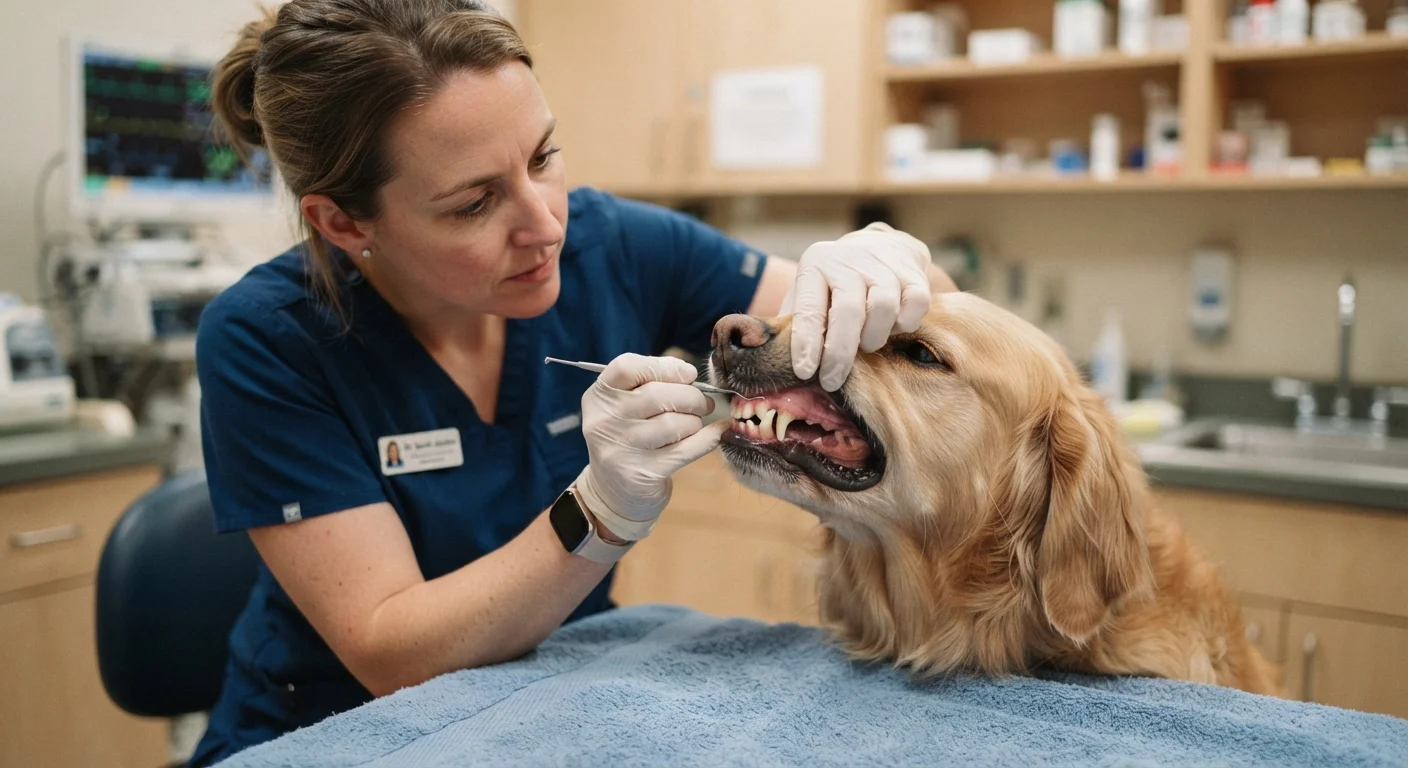
Professional cleanings performed under general anesthesia allow veterinarians to scale below the gumline, probe for pockets of infection, take dental X-rays, and extract teeth that cannot be saved - none of which can be done safely on a conscious animal. Anesthesia-free dental cleanings have no recognized standing in veterinary medicine and cannot address subgingival disease.
Dental care is worth raising at every annual wellness visit. Our annual vet visit checklist can help you come prepared with the right questions. And if you're just starting out with a dog, building oral care habits early pays long-term dividends - something covered in our guide on what new dog owners often miss.
This article is for general informational purposes only and does not constitute veterinary medical advice. Always consult a licensed veterinarian regarding your dog's individual health needs.