

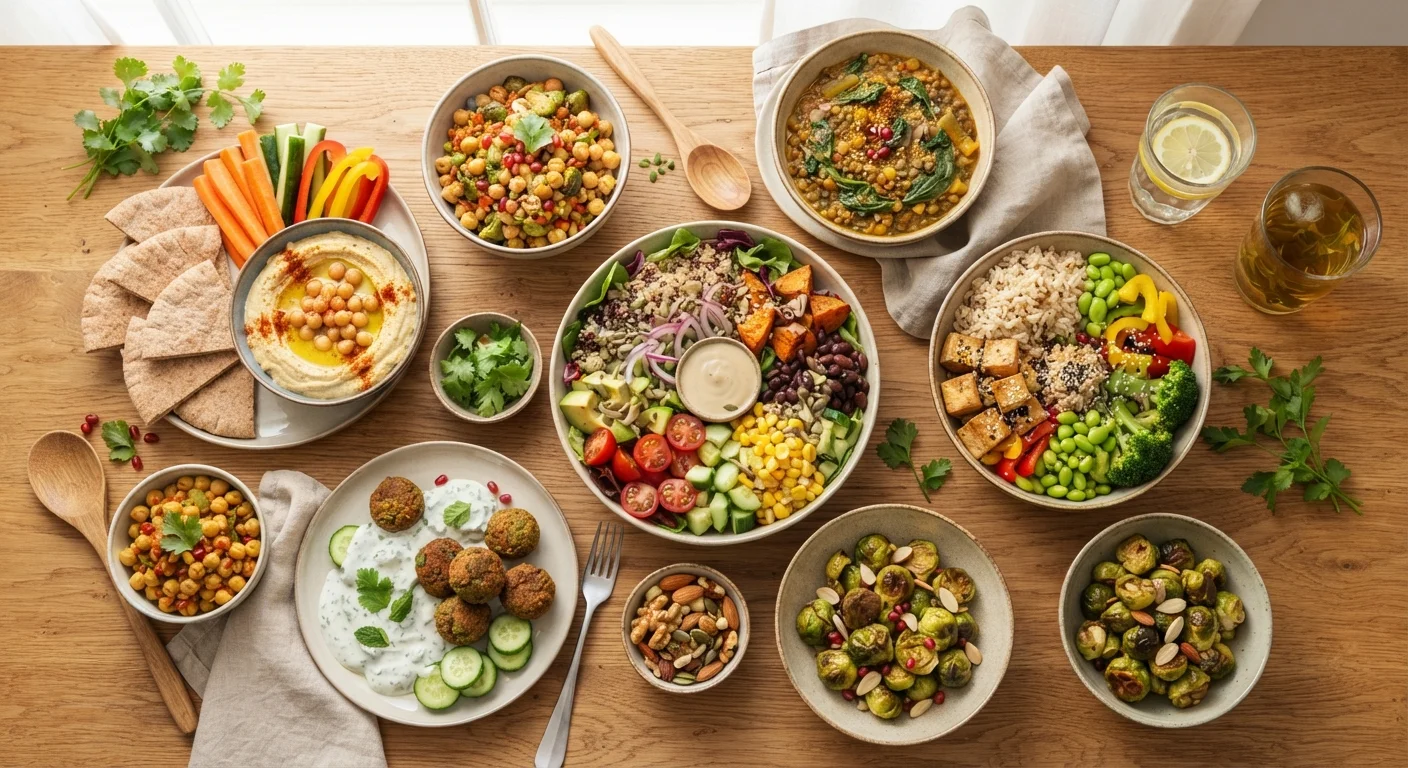
Key Takeaways
Linked to lower cardiovascular disease risk
Research consistently shows that diets high in plant foods and low in saturated fat are associated with better heart health markers, including lower LDL cholesterol and blood pressure.
Supports healthy gut microbiome via fiber
Plant foods are the primary source of dietary fiber, which feeds beneficial gut bacteria and is associated with reduced inflammation and improved digestive health.
May reduce risk of type 2 diabetes
Multiple large studies associate plant-based dietary patterns with lower incidence of type 2 diabetes, likely due to better blood sugar regulation and reduced excess weight.
Rich in protective phytonutrients
Vegetables, fruits, legumes, and whole grains contain a wide array of plant compounds - antioxidants, polyphenols, and flavonoids - linked to reduced cellular damage and chronic disease risk.
Whole plant foods tend to be cost-effective
Staples like dried lentils, beans, oats, and seasonal produce are among the most affordable nutrient-dense foods available, which can make plant-forward eating accessible on a modest budget.
Vitamin B12 must be supplemented
B12 is essentially absent from plant foods, and deficiency - which can cause irreversible neurological harm - is a documented risk for those who do not supplement or consume fortified foods consistently.
Lower bioavailability of key minerals
The iron, calcium, and zinc in plant foods are generally absorbed less efficiently than those in animal products, meaning intake levels and food pairing strategies need deliberate attention.
Omega-3 conversion from plants is limited
Plant-based ALA omega-3s must be converted to EPA and DHA in the body, a process that is inefficient for most people; algae-based supplements can help bridge this gap.
Social and logistical friction is real
Navigating restaurants, travel, and shared meals on a plant-based diet takes more planning effort, which can be a sustained challenge in everyday American social contexts.
Processed plant products aren't inherently healthy
Many commercially available meat and dairy alternatives are high in sodium, refined ingredients, and additives, making ingredient awareness just as necessary as on any other diet.
Protein completeness requires planning
While a varied plant-based diet can supply all essential amino acids, achieving adequate complete protein intake - especially for active adults - requires intentional food combination across the day.
Our Verdict
Plant-based eating offers well-documented health benefits and can be nutritionally complete when thoughtfully planned. However, it requires genuine effort around specific nutrients and is not a guaranteed shortcut to better health - especially if heavily processed plant foods dominate the plate. The degree of commitment and dietary variety you bring to it will largely determine your outcomes.
Best suited to adults willing to invest time in meal planning and nutrient awareness, and who ideally have access to guidance from a registered dietitian.
What "Plant-Based" Actually Means
"Plant-based" is not a single diet - it's a broad category. At one end sits veganism, which eliminates all animal products. At the other is a mostly plant-forward approach that simply prioritizes vegetables, legumes, whole grains, and fruits while still including some meat, dairy, or eggs. In between are vegetarian, pescatarian, and flexitarian patterns.
This distinction matters because the trade-offs vary significantly depending on where you land on the spectrum. A well-planned vegan diet carries different nutritional considerations than a diet that's 80% plants but still includes eggs and fish a few times a week. Before committing to any version, it helps to understand what a balanced plate looks like as a baseline.
The Genuine Health Benefits
The evidence base for plant-heavy eating is substantial. Large cohort studies and dietary reviews consistently associate higher plant food intake with reduced risk of cardiovascular disease, type 2 diabetes, hypertension, and some cancers. These benefits are largely attributed to higher fiber intake, lower saturated fat consumption, and a broader range of phytonutrients - the naturally occurring compounds in plants that support cellular health.
Linked to lower cardiovascular disease risk
Research consistently shows that diets high in plant foods and low in saturated fat are associated with better heart health markers, including lower LDL cholesterol and blood pressure.
Supports healthy gut microbiome via fiber
Plant foods are the primary source of dietary fiber, which feeds beneficial gut bacteria and is associated with reduced inflammation and improved digestive health.
May reduce risk of type 2 diabetes
Multiple large studies associate plant-based dietary patterns with lower incidence of type 2 diabetes, likely due to better blood sugar regulation and reduced excess weight.
Rich in protective phytonutrients
Vegetables, fruits, legumes, and whole grains contain a wide array of plant compounds - antioxidants, polyphenols, and flavonoids - linked to reduced cellular damage and chronic disease risk.
Whole plant foods tend to be cost-effective
Staples like dried lentils, beans, oats, and seasonal produce are among the most affordable nutrient-dense foods available, which can make plant-forward eating accessible on a modest budget.
Fiber deserves particular attention. Most American adults fall well short of recommended daily fiber intake, and plant-based diets are one of the most reliable ways to close that gap. Adequate fiber supports digestive regularity, feeds beneficial gut bacteria, and contributes to satiety - which can support healthy weight management over time.
It's also worth noting the environmental dimension: plant-based diets generally have a lower greenhouse gas footprint than diets centered on animal products, though this varies by geography, food sourcing, and what specifically is being eaten.
The Nutritional Gaps to Plan Around
No diet is without trade-offs, and plant-based eating has specific ones that require honest attention rather than dismissal.
Vitamin B12 must be supplemented
B12 is essentially absent from plant foods, and deficiency - which can cause irreversible neurological harm - is a documented risk for those who do not supplement or consume fortified foods consistently.
Lower bioavailability of key minerals
The iron, calcium, and zinc in plant foods are generally absorbed less efficiently than those in animal products, meaning intake levels and food pairing strategies need deliberate attention.
Omega-3 conversion from plants is limited
Plant-based ALA omega-3s must be converted to EPA and DHA in the body, a process that is inefficient for most people; algae-based supplements can help bridge this gap.
Social and logistical friction is real
Navigating restaurants, travel, and shared meals on a plant-based diet takes more planning effort, which can be a sustained challenge in everyday American social contexts.
Processed plant products aren't inherently healthy
Many commercially available meat and dairy alternatives are high in sodium, refined ingredients, and additives, making ingredient awareness just as necessary as on any other diet.
Protein completeness requires planning
While a varied plant-based diet can supply all essential amino acids, achieving adequate complete protein intake - especially for active adults - requires intentional food combination across the day.
Vitamin B12 is the clearest example: it is found almost exclusively in animal products, and deficiency can cause neurological damage over time. Anyone following a fully plant-based diet needs a reliable B12 source - typically a supplement or fortified foods. This isn't a fringe concern; it's a well-established nutritional reality.
Iron, calcium, and zinc from plant sources are also absorbed less efficiently by the body than the versions found in animal products. This doesn't make plant-sourced minerals useless - it just means intake may need to be higher, and pairing strategies (like vitamin C with iron-rich foods) can help. Similarly, omega-3 fatty acids from plants come primarily in the form of ALA, which the body must convert to the more bioavailable EPA and DHA found directly in fatty fish. Algae-based omega-3 supplements offer one plant-derived alternative.
For more on how food composition affects what your body actually absorbs, see what the research shows about whole versus processed foods.
Special Populations Need Extra Care
Children, pregnant or breastfeeding individuals, older adults, and people managing chronic conditions have specific nutritional needs that make a plant-based diet more complex to implement safely. General dietary guidance - including this article - cannot account for individual health circumstances. A registered dietitian can help tailor an approach that meets your specific needs.
The "Processed Plant Food" Pitfall
One of the most common missteps in plant-based eating is assuming that anything without meat is automatically healthy. The market for plant-based products has expanded rapidly, and many options - from meat alternatives to dairy-free desserts - are heavily processed, high in sodium, and low in fiber or protein.
~5%
US adults identifying as vegan or vegetarian
Gallup polling has consistently found that roughly 5% of American adults identify as vegetarian or vegan, while a much larger share eat plant-forward without fully eliminating animal products.
28g
Average daily fiber intake for US adults
According to USDA dietary data, most American adults consume significantly less fiber than the recommended 25-38 grams per day, a gap plant-based diets are well-positioned to address.
~45%
Lower risk of hypertension in plant-based eaters
A review published in the Journal of Hypertension found that vegetarian dietary patterns were associated with meaningfully lower blood pressure compared to omnivorous diets.
Reading nutrition labels matters as much on a plant-based diet as on any other. A veggie burger made from whole ingredients like black beans and oats has a meaningfully different nutritional profile than one engineered from refined protein isolates and additives. The same instinct that helps people evaluate food quality in any diet applies here. Common nutrition reasoning errors - like equating a label claim with actual healthfulness - are just as easy to fall into with plant-based products.
Practical Considerations for Real Life
Social and logistical factors are real. Eating plant-based at restaurants, family gatherings, or while traveling can require more planning. Costs vary: whole plant foods like dried beans, lentils, oats, and seasonal vegetables are among the most affordable foods available, but specialty plant-based products can be expensive. Eating well on a plant-based diet on a budget is genuinely possible - but it requires the same kind of deliberate approach as any strategy that asks for trade-offs upfront.
If you're considering a plant-based approach, working with a registered dietitian - particularly in the early stages - can help you identify potential gaps before they become problems. This is especially important for children, people who are pregnant or breastfeeding, older adults, or anyone managing a chronic health condition. General dietary information, including what's in this article, is not a substitute for personalized guidance.
This article is for general informational and educational purposes only and is not medical or nutritional advice. Consult a qualified healthcare professional or registered dietitian before making significant changes to your diet, especially if you have existing health conditions.